
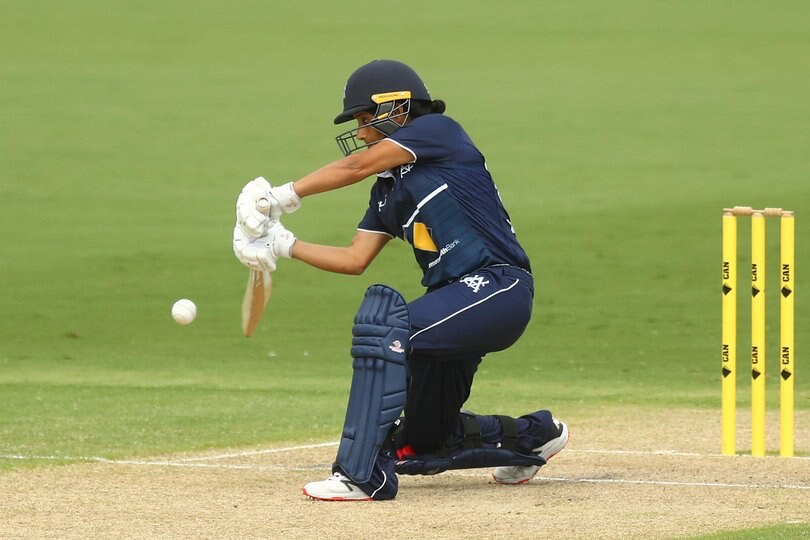
Professional cricketer and The Inside Edge Project founder Bhavi Devchand on why culturally aware environments unlock performance, and why the rest of the sporting world needs to pay attention to women’s sport in India.
Sport is becoming more cross-cultural every season. Franchise competitions put players from very different backgrounds into the same dressing room, often with very different expectations of how to speak up, challenge and belong.
Bhavi Devchand knows that experience first-hand. Through The Inside Edge Project, she works with athletes and teams, particularly those from cross-cultural backgrounds, to create culturally aware, psychologically safe spaces for growth. We asked her what that looks like in practice, and what she sees coming out of India.
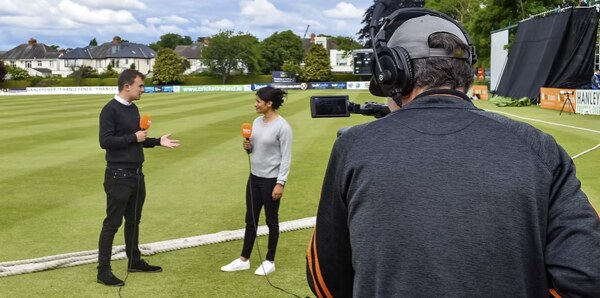
Where belonging begins
The idea for her work didn’t start as a theory. It started with how two different team cultures made her feel.
“It was my personal experience of being in one culture that wasn’t so supportive of who you are, and you felt like every day you gotta rock up to prove yourself. And then literally two months later, I’ve dropped into another one and all of a sudden, I felt a lot more like I belonged, like I could be myself.”
Part of Australian sporting culture, she says, is banter and a laugh, but underneath it, people appreciate you and allow you to be there as you are.
What culturally aware coaching looks like
Cricket’s franchise era is bringing cultural differences to the surface. Bhavi points to differences in “power distance” — in India, respect for authority is high and players are less likely to challenge a coach, while in Australia a straight-up disagreement is more normal.
Coaches and leaders who don’t recognise those differences can misread silence as agreement, or confidence as disrespect. Culturally aware coaching starts with noticing them.
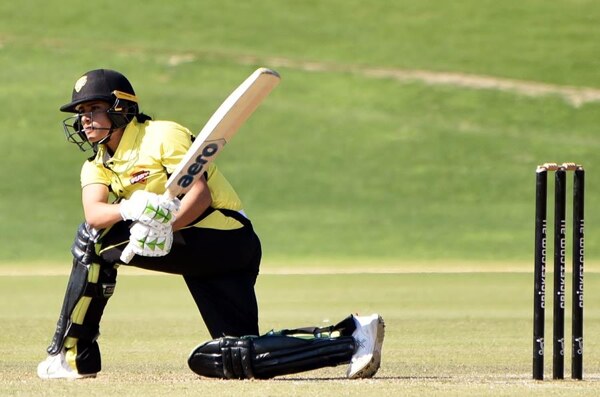
The surge the world isn’t watching closely enough
On women’s sport in India, Bhavi is emphatic that the scale is hard to overstate.
“India is a fascinating place in that the sheer population size and passion for the game are beyond anything I’ve seen anywhere else. And with that comes a huge amount of potential.”
She points to momentum across the WPL, tennis, swimming, athletics and women’s football. Mindsets are shifting, and the biggest remaining gap is encouraging women that it’s okay to play sport, then supporting them once they do: with coaches, strength and conditioning, and genuine professionalism.
For Australian sporting organisations, her advice is to grasp just how big this is, early, from a commercial, relationship and professional point of view.
Innovation in thinking comes first
Asked what she wants people to take away, Bhavi keeps it simple: plant a seed and open minds to what could be, whether that’s about women in sport, embracing change, or new ways of working.
“Innovation in thinking has to precede any actual products or technology.”
Key takeaways
- Belonging changes performance: the same athlete can thrive or struggle depending on the culture around them.
- Cross-cultural teams need leaders who recognise different attitudes to authority and disagreement.
- Women’s sport in India is surging. Australian organisations should engage early, commercially and professionally.
- New thinking has to come before new technology.
About Bhavi Devchand
Bhavi Devchand is a professional cricketer turned high performance coach and wellbeing specialist, and the founder of The Inside Edge Project. Bhavi has been a presenter at STWS events, and we’re grateful for her contribution to our program and community.
About STWS
STWS (Sports Tech World Series) is the global community for people at the intersection of sports, digital and technology. Founded in Melbourne in 2015, STWS delivers Australia Sports Innovation Week, alongside advisory services, the Sports Investor Network and industry content including the Sports Tech Annual.
Want more insights like this? Subscribe to the STWS newsletter